
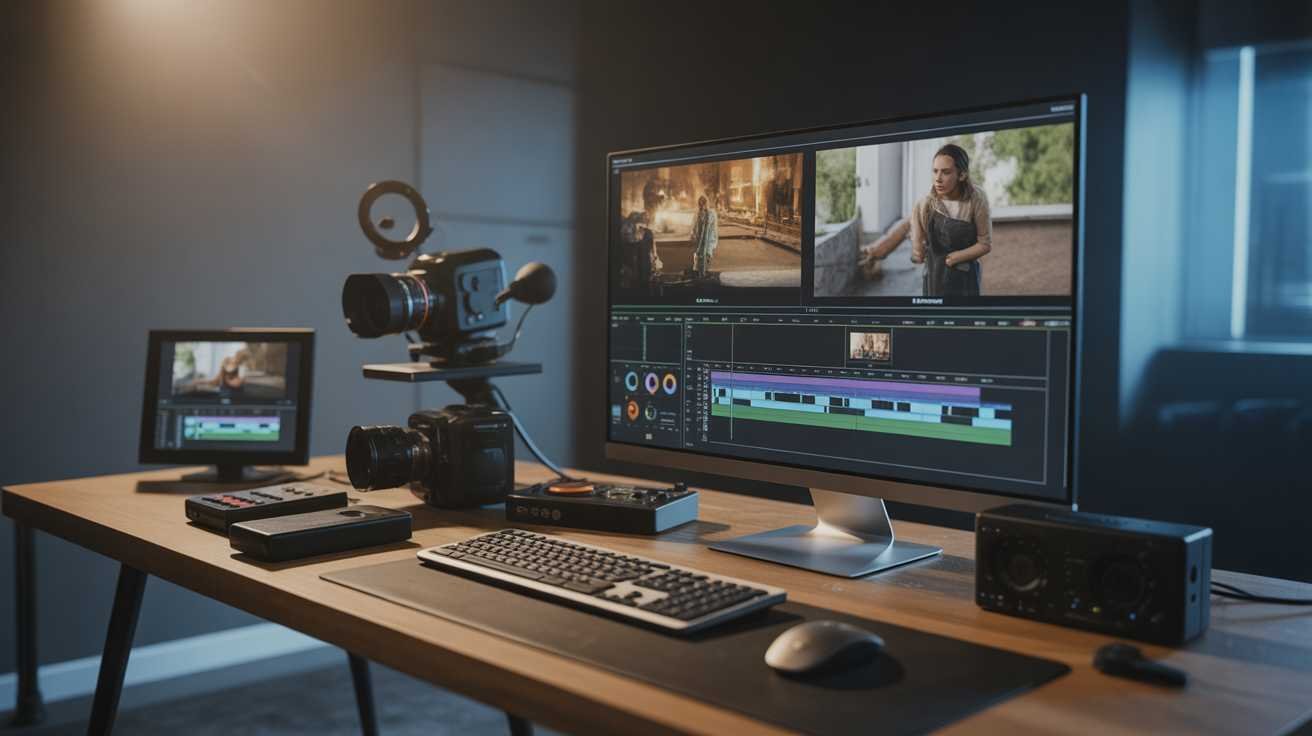
In the fast-paced world of professional media production, where every frame counts and every second matters, the demand for exceptional video editing skills has never been higher. Whether you’re crafting a compelling commercial, a gripping documentary, or an engaging social media clip, your ability to manipulate visuals and sound can make or break the final product. The urgency to master these skills is palpable; the industry is evolving rapidly, and those who fail to keep up risk being left behind. This article delves into proven strategies to elevate your video editing prowess, ensuring you remain at the forefront of the industry.
Understanding the Fundamentals: The Bedrock of Professional Editing
Before diving into advanced techniques and software, it’s crucial to solidify your understanding of the basics. Mastery of fundamental editing skills forms the foundation upon which all professional work is built. This includes proficiency in cutting and trimming clips, understanding the timeline and sequence, and grasping the principles of pacing and rhythm. Without a strong grasp of these elements, even the most sophisticated software and tools will be rendered ineffective. The importance of these basics cannot be overstated; they are the tools that allow you to shape your narrative and engage your audience effectively.
Moreover, familiarity with various editing software is essential. While programs like Adobe Premiere Pro, Final Cut Pro, and DaVinci Resolve are industry standards, understanding the nuances of each can give you a competitive edge. Each software offers unique features and workflows, and being versatile in their use can open doors to a broader range of projects and opportunities. The ability to adapt to different editing environments and requirements is a hallmark of a professional editor.
Advanced Techniques: Elevating Your Editing to the Next Level
Once you’ve mastered the basics, it’s time to delve into advanced editing techniques that can set your work apart. Techniques such as color grading, motion graphics, and advanced transitions can add depth and polish to your projects. Color grading, for instance, allows you to establish the mood and tone of your video, guiding the audience’s emotional response. Motion graphics can enhance storytelling by adding dynamic elements that capture attention and convey information succinctly.
Furthermore, understanding the art of pacing and timing is vital. The rhythm of your edits can influence the flow of the narrative, build suspense, or create comedic effect. Experimenting with different pacing techniques, such as jump cuts, cross dissolves, and L-cuts, can help you discover the most effective way to tell your story. These techniques, when used appropriately, can transform a good edit into a great one, captivating your audience from start to finish.
Sound Design: The Unsung Hero of Video Editing
While visuals often take center stage in video production, sound design plays a pivotal role in creating a compelling viewing experience. The right sound effects, background music, and dialogue clarity can elevate your video, making it more immersive and emotionally resonant. Understanding how to balance audio levels, synchronize sound with visuals, and utilize sound to enhance storytelling is essential for any professional editor.
Additionally, the importance of high-quality audio cannot be overstated. Poor audio can detract from even the most visually stunning footage. Investing in quality microphones, audio editing software, and learning the intricacies of sound mixing can significantly improve the overall quality of your projects. Remember, a well-edited video is not just about what the audience sees but also about what they hear.
Staying Current: Embracing New Technologies and Trends
The media production landscape is constantly evolving, with new technologies and trends emerging regularly. Staying abreast of these developments is crucial to maintaining your relevance in the industry. This includes familiarizing yourself with the latest editing software, understanding emerging formats like 4K and VR, and keeping an eye on industry trends such as the increasing demand for short-form content on platforms like TikTok and Instagram.
Moreover, embracing new technologies can open up creative possibilities that were previously unattainable. For example, advancements in artificial intelligence and machine learning are beginning to influence video editing, offering tools that can automate certain tasks and enhance efficiency. By staying informed and adaptable, you can leverage these innovations to enhance your editing capabilities and stay ahead of the competition.
Building a Portfolio: Showcasing Your Skills to the World
A well-curated portfolio is an essential tool for any aspiring or established video editor. It serves as a testament to your skills, creativity, and versatility, showcasing your ability to handle a diverse range of projects. When building your portfolio, focus on quality over quantity. Select projects that highlight your strengths and demonstrate your proficiency in various aspects of video editing.
Additionally, consider tailoring your portfolio to the specific type of work you wish to pursue. For instance, if you’re interested in commercial work, include examples that showcase your ability to create engaging advertisements. If documentary editing is your passion, feature projects that highlight your storytelling abilities. A targeted portfolio can help attract the right clients and opportunities, aligning your work with your career aspirations.
Networking and Collaboration: Expanding Your Professional Reach
In the creative industry, networking and collaboration are invaluable assets. Building relationships with other professionals, such as directors, producers, and fellow editors, can lead to new opportunities and projects. Attending industry events, participating in online forums, and joining professional organizations can help you connect with others in the field.
Furthermore, collaborating on projects can provide exposure to different working styles and techniques, broadening your skill set and perspective. These experiences can be instrumental in your growth as an editor, offering insights and knowledge that can enhance your work. Remember, the connections you make today can lead to the opportunities of tomorrow.
Feedback and Continuous Improvement: The Path to Mastery
Seeking feedback and embracing continuous improvement are vital components of professional growth. Constructive criticism can provide valuable insights into areas where you can enhance your skills and techniques. Regularly reviewing your work, identifying areas for improvement, and actively seeking feedback from peers and mentors can accelerate your development as an editor.
Additionally, committing to lifelong learning is essential in an industry that is constantly evolving. Engaging in online courses, workshops, and tutorials can help you stay current with new tools and techniques. By fostering a mindset of continuous improvement, you can ensure that your skills remain sharp and your work remains relevant and impactful.
Time Management and Efficiency: Delivering Quality Under Pressure
In professional media production, deadlines are often tight, and the pressure to deliver high-quality work swiftly is constant. Developing strong time management skills is crucial to balancing quality with efficiency. This includes organizing your workflow, prioritizing tasks, and utilizing shortcuts and templates to streamline your editing process.
Moreover, setting realistic goals and breaking down complex projects into manageable tasks can help maintain focus and prevent burnout. Effective time management not only enhances productivity but also ensures that you can consistently deliver exceptional work, even under tight deadlines.
Monetizing Your Skills: Turning Passion into Profit
With the proliferation of digital platforms and the increasing demand for video content, there are numerous avenues to monetize your video editing skills. Freelancing, creating online tutorials, and offering editing services to businesses and content creators are just a few options. Building a personal brand and establishing an online presence can also attract clients and opportunities.
Additionally, diversifying your income streams can provide financial stability and growth. For instance, licensing your work, creating stock footage, or developing your own editing presets and templates can generate passive income. By exploring various monetization strategies, you can turn your passion for video editing into a sustainable and profitable career.