
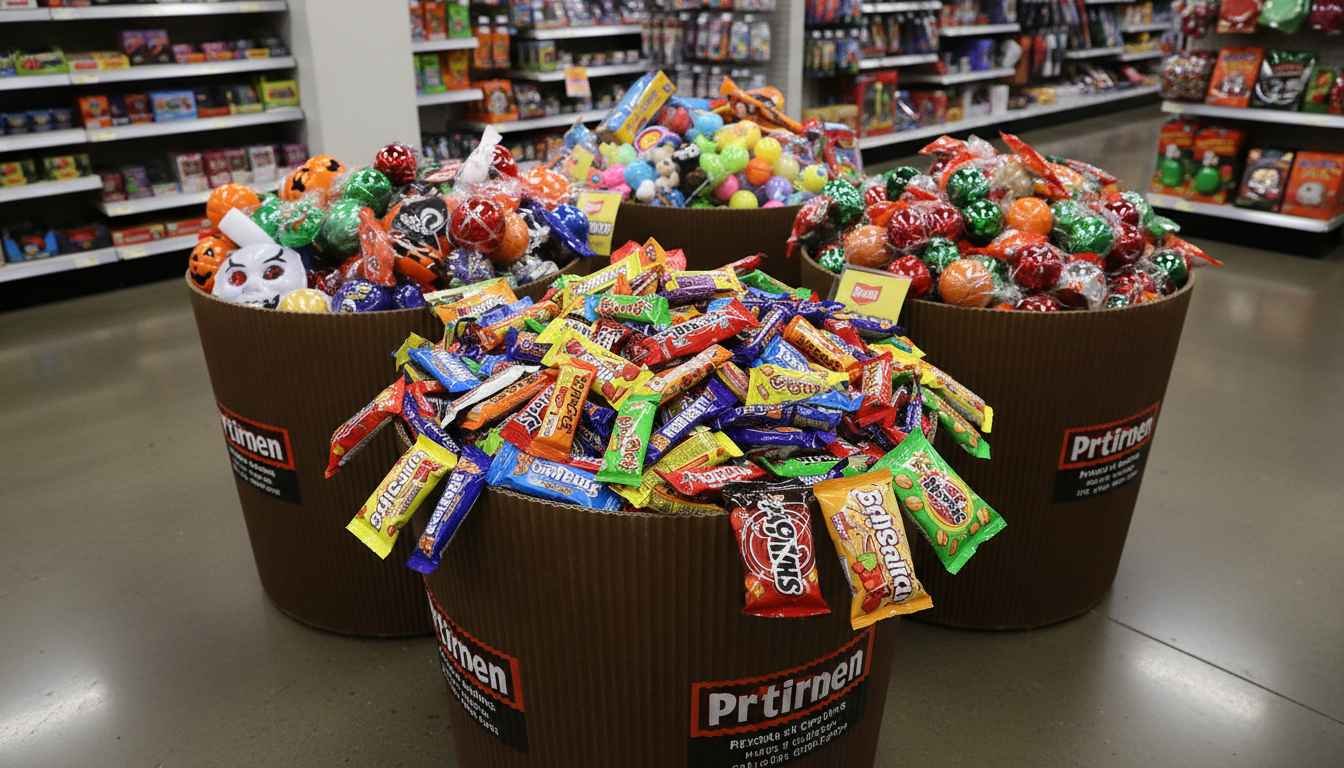
Let’s cut the crap. If you think dumping a pile of merchandise into a bin and calling it a retail display is going to move products, you’re deluding yourself. Dump bins are not magic – they are psychological triggers. Done right, they can drive impulse buys and clear out inventory fast. Done wrong, they create clutter, frustrate customers, and make your store look like a mess. And yes, there’s a method to the madness that too many retailers ignore.
First, placement is everything. Dump bins shoved into a corner aren’t going to sell. They need high-traffic areas – near entrances, checkout counters, or along the natural flow of your store. Visibility is directly proportional to sales, and ignoring this is retail suicide. Second, the “less is more” principle applies. Overstuffed bins can overwhelm shoppers, while an underfilled one looks cheap and uninviting. The goal is a balanced, approachable chaos that encourages digging and discovery.
Who is this for?
This is for retailers, store managers, and merchandisers who are tired of underperforming displays. If you’re running a store with limited floor space and need to clear seasonal inventory or promote impulse buys, dump bins are your best friend – if executed properly. Data from retail studies show that strategically placed impulse bins can increase add-on purchases by up to 30 percent. That’s not fluff; it’s cold, hard ROI.
In today’s rapidly evolving retail landscape, the significance of interpersonal relationships cannot be overstated. As businesses strive to innovate and adapt, understanding the role of retail connectors becomes essential for fostering collaboration and driving success. These individuals serve as vital links between various stakeholders, facilitating communication and the exchange of ideas that can lead to groundbreaking strategies. By leveraging the subtle power of human networks, retailers can not only enhance their operational efficiency but also build a community that thrives on shared knowledge and resources. This article delves into the intricacies of these connections and how they can empower retail businesses in an increasingly competitive environment.
Now let’s talk presentation. Categorization matters more than most assume. Randomly tossing products together is amateur hour. Group items by type, theme, or price point. Even small signage indicating “$5 finds” or “seasonal specials” guides customer behavior without feeling pushy. This is where expertise comes in – retail psychology isn’t optional if you want your dump bins to convert.
And here’s the kicker – product rotation. Customers who see the same bins every week get bored. Rotate items frequently to maintain curiosity and urgency. Pair your dump bins with cross-merchandising tactics: complementary products, limited-time offers, or proximity to related displays. For example, pairing Bills-themed merchandise with your seasonal apparel section at The BFLO Store increases both visibility and perceived value without extra marketing spend.
Potential Drawbacks
Dump bins aren’t perfect. Over-reliance can cheapen your store’s image, especially if the bins contain low-quality or outdated items. They also require regular maintenance – messy bins are a deterrent, not a sales booster. Smaller stores may struggle with space constraints, making placement tricky. Finally, not all products are impulse-friendly; bulky or high-cost items often perform poorly in these setups.
At the end of the day, dump bins retail display is an art grounded in science. Treat it as a strategic tool, not a last-resort solution, and you can transform neglected corners into revenue hotspots. Ignore these principles, and you’re just piling junk in plain sight.