
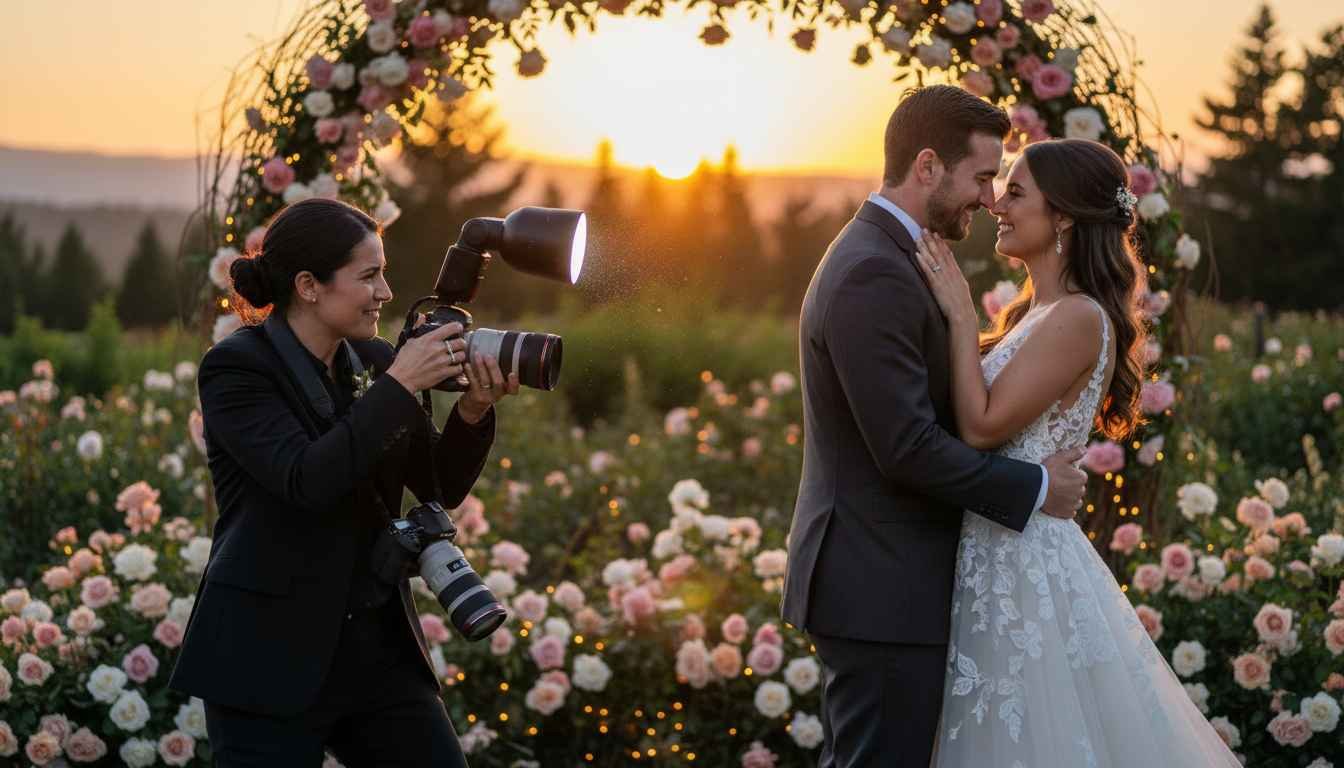
My grandmother used to say that light is the secret ingredient to capturing memories that last a lifetime. In the world of wedding photography, mastering flash can make the difference between ordinary snapshots and images that truly resonate. While natural light is beautiful, wedding venues, receptions, and evening events often demand supplemental lighting to maintain clarity, color accuracy, and depth.
Using flash effectively requires more than just pointing and shooting. Understanding the nuances of different flash types, bounce techniques, and power settings allows photographers to maintain a natural look while ensuring subjects are well-lit. According to a 2023 survey by Photography Life, photographers who consistently use off-camera flash report a 37% higher client satisfaction rate for indoor wedding portraits.
One life hack is to invest in a high-quality external flash with adjustable power and tilt/swivel capabilities. These allow you to bounce light off ceilings or walls, softening shadows and reducing harsh highlights. For instance, a flash with a guide number of 60 or above provides enough reach for large halls, while maintaining flexibility for intimate shots. Off-camera triggers further expand creative control, letting you sculpt light from multiple angles without disturbing guests.
Did You Know? Using a flash with high-speed sync can freeze motion even in bright environments, which is invaluable during first dances or fast-paced moments on the dance floor. This technique allows photographers to balance ambient light with artificial light, preserving the atmosphere while keeping subjects crisp and clear.
Another advanced tip involves modifiers. Softboxes, diffusers, and reflectors can transform an ordinary flash into a cinematic lighting tool. For wedding photography, a portable softbox can produce a flattering light that mimics natural window illumination, ideal for bridal portraits. Combining multiple modifiers strategically ensures skin tones remain accurate, and highlights don’t blow out.
While some photographers rely solely on their camera’s built-in flash, this often results in flat images and unflattering shadows. Off-camera setups allow creative placement, creating dimension and mood. Pairing a dedicated flash with a light stand or handheld rig adds flexibility and reduces the chance of red-eye, a common problem when the light source is too close to the lens.
When shooting outdoors, flash is equally critical, especially during golden hour or in backlit scenarios. Fill flash can restore detail to faces without overpowering the ambient light. A balanced exposure keeps the background visible while ensuring subjects are not lost in shadow. This dual approach can dramatically improve portfolio quality, particularly when editing consistency is paramount.
For those looking to elevate their skills further, attending professional workshops or online courses can provide hands-on experience with lighting setups. Platforms like Great Big Photography World offer tutorials covering flash placement, exposure techniques, and real-time problem solving, allowing photographers to make informed decisions based on venue size, time of day, and client preferences.
Potential Drawbacks
Despite its advantages, flash is not without limitations. Overuse can result in unnatural skin tones or harsh shadows if not carefully controlled. Equipment costs can also be significant, especially for high-end models and multiple modifiers. Additionally, some venues restrict artificial lighting, requiring photographers to rely on ambient light or seek alternative setups. Understanding these constraints before investing heavily ensures both budget and artistic vision align.
Who Should Avoid Relying Heavily on Flash
Photographers who primarily shoot intimate or low-key weddings may find flash intrusive, disrupting the natural ambiance of the event. Likewise, beginners unfamiliar with TTL (Through The Lens) metering or manual flash control may struggle to achieve consistent results, risking overexposure or underexposure. In such cases, incremental learning with controlled practice sessions is advised before using flash extensively in live events.
Advanced Life Hacks for Optimal Flash Usage
1. Master rear curtain sync to capture motion trails with sharp subjects, enhancing storytelling in dynamic moments.
2. Use color gels to match flash temperature with ambient light, avoiding mismatched hues.
3. Keep a secondary flash as a backup to prevent disruption during critical shots.
4. Employ low-power bursts to conserve battery life while maintaining balanced exposure.
5. Test various bounce angles in advance to identify the most flattering setups for each venue.
Ultimately, the goal is to use flash as a subtle enhancement rather than a dominant element. The most successful wedding photographers blend technical expertise with aesthetic intuition, ensuring every image feels natural while preserving memory fidelity. Consistent practice, thoughtful equipment choices, and strategic lighting decisions allow photographers to achieve timeless results that stand out in both client albums and professional portfolios.