
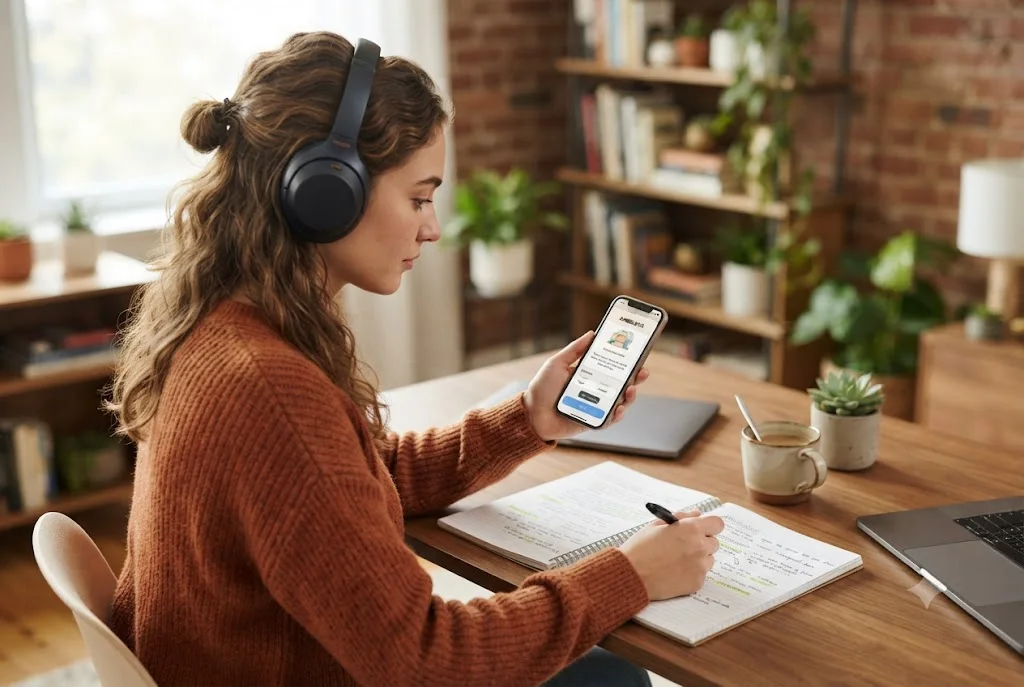
Flashcard apps for language learning have transformed how learners memorize vocabulary and retain new words long-term. Instead of relying on traditional repetition, modern apps use intelligent systems like spaced repetition to ensure you review words at the right time. Whether you’re learning French, Spanish, or any other language, choosing the right flashcard apps for language learning can significantly speed up your progress.
Why Flashcard Apps Are Essential for Language Learning
Vocabulary is the foundation of any language. Without it, even basic communication becomes difficult. Flashcard apps simplify the process by breaking learning into manageable chunks, allowing you to focus on one word or phrase at a time.
Unlike paper flashcards, digital tools track your progress, adapt to your memory patterns, and optimize review timing. This makes them far more efficient, especially for long-term retention.
How Spaced Repetition System for Language Learning Works
A spaced repetition system for language learning is designed to present information just before you are likely to forget it. This scientifically backed method strengthens memory by increasing intervals between reviews.
Instead of reviewing everything daily, the system focuses on difficult words more frequently while gradually spacing out easier ones. This targeted approach reduces study time while improving retention.
When combined with audio-based learning, such as french language learning podcasts, spaced repetition becomes even more powerful by reinforcing both listening and vocabulary skills.
Best Flashcard Apps for Language Learning
There are many flashcard apps available, but the best ones share common features like customization, progress tracking, and spaced repetition algorithms. Here are some popular choices:
1. Anki
Anki for language learning is one of the most powerful tools available. It uses a highly customizable spaced repetition system, allowing users to create their own decks or download shared ones.
2. Quizlet
Quizlet is beginner-friendly and offers various learning modes, including games and tests. It’s ideal for casual learners who want a simple interface.
3. Memrise
Memrise combines flashcards with real-life video clips, helping learners connect vocabulary with real-world usage.
4. Tinycards (Alternative Tools)
While some apps come and go, many alternatives continue to innovate in flashcard-based learning. Look for apps that support audio, images, and customization.
How to Use Flashcard Apps Effectively
Simply downloading an app is not enough. To get real results, you need a strategy:
1. Keep Cards Simple
Focus on one concept per card. Avoid overloading with too much information.
2. Add Context
Include example sentences to understand how words are used naturally.
3. Use Audio and Images
Multimedia elements improve memory by engaging multiple senses.
4. Review Consistently
Daily practice, even for a short time, is more effective than irregular long sessions.
Combining Flashcards with Other Learning Methods
Flashcards work best when combined with other learning techniques. For instance, listening to a french language learning podcast can help you discover new vocabulary, which you can then add to your flashcard decks.
Similarly, reading, writing, and speaking practice will reinforce what you learn through flashcards. This integrated approach ensures balanced language development.
Common Mistakes to Avoid
- Adding too many cards at once
- Skipping daily reviews
- Using translations without context
- Not revisiting difficult words
Avoiding these mistakes will help you maintain steady progress and prevent burnout.
Benefits of Using Flashcard Apps
Flashcard apps offer several advantages:
- Efficient memory retention
- Flexible learning schedules
- Personalized study experience
- Data-driven progress tracking
According to research on spaced repetition, spaced learning techniques significantly improve long-term retention compared to traditional methods.
Final Thoughts on Flashcard Apps for Language Learning
Flashcard apps for language learning provide a structured, efficient, and flexible way to master vocabulary. By leveraging spaced repetition systems and combining them with other learning methods, you can accelerate your progress and build lasting language skills. With the right approach and consistency, these tools can become a core part of your language learning journey.