
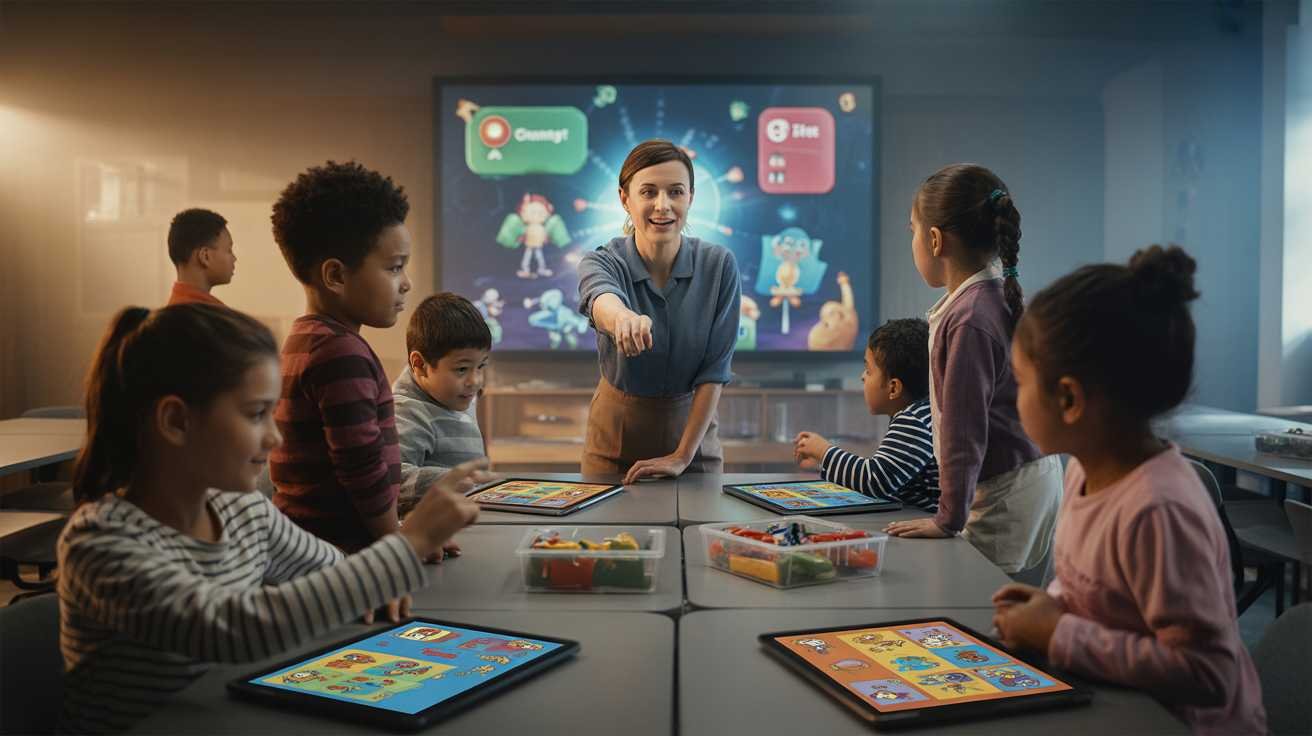
The Power of Gamification in Education
Gamification is no longer a buzzword – it’s a revolution in education, and if you’re not already embracing it, you’re missing out on one of the most engaging teaching strategies of the decade. Imagine turning every lesson into an immersive game where students are not just passive recipients of information, but active players navigating challenges, earning rewards, and receiving instant feedback. It’s an electrifying shift, where learning meets excitement, and each student feels personally invested in their progress. The beauty of gamification lies in its ability to cater to different learning styles, ensuring that every student, regardless of how they absorb information, has an opportunity to shine.
By incorporating game elements like point systems, badges, and leaderboards, teachers are not only making learning fun but also tapping into the innate human desire to compete, collaborate, and achieve. It’s no longer about memorizing facts or completing worksheets – it’s about real-time learning experiences that are both thrilling and educational. If you haven’t started gamifying your classroom yet, now is the time to jump on board. The wave is already here, and those who wait may find themselves left behind.
Why Gamification Works for Different Learning Styles
Every student is unique, and their preferred method of learning can vary dramatically. Some students may thrive in visual environments, others may excel with hands-on experiences, and still, others may prefer auditory inputs. Gamification provides the perfect solution for teachers to meet these varied needs by offering different pathways for engagement. Visual learners might benefit from graphics, avatars, or interactive maps; kinesthetic learners will excel in hands-on challenges or physical activities that require movement; and auditory learners can engage with storytelling elements, voiceovers, or music tied to learning content.
The magic of gamification lies in its flexibility. Imagine a math lesson where students can choose between solving problems on a traditional worksheet or navigating a digital quest that requires them to solve puzzles to advance through levels. For those who prefer visual stimuli, the quest might feature interactive charts and graphs; for kinesthetic learners, it could involve moving through physical spaces or using game controllers to solve problems. Gamification makes it easy to provide multiple layers of engagement within a single lesson, ensuring that each student is engaged on their terms, maximizing learning outcomes.
The Science Behind Gamification and Engagement
There’s more to gamification than just fun and games – it’s deeply rooted in cognitive science. When students play, their brains are flooded with dopamine, the feel-good chemical that reinforces positive behavior and enhances motivation. Studies have shown that when students are rewarded for completing tasks or leveling up, they are more likely to repeat those behaviors and continue learning. The sense of accomplishment that comes from earning points, badges, or unlocking new content creates a cycle of positive reinforcement, driving students to push themselves further.
Additionally, gamification encourages mastery-based learning. Instead of moving on to the next lesson after completing an assignment, students in a gamified classroom continue to level up only when they’ve truly mastered the content. This process fosters deeper understanding and retention, rather than just superficial completion. The game-like elements keep students on track and motivated, ensuring they don’t just breeze through lessons, but actually absorb and apply the knowledge in meaningful ways.
Real-World Examples of Gamification in the Classroom
Don’t just take our word for it – many teachers around the world are already seeing transformative results by implementing gamification in their classrooms. One such example is the use of Kahoot!, an online platform where teachers can create quizzes that feel more like games than assessments. Teachers can design competitive, yet educational, games that allow students to compete in real-time, earning points and climbing leaderboards. The result? Students become highly engaged, excited to participate, and motivated to learn because the process feels more like a game than a test.
Another example comes from a high school history teacher who gamified her entire curriculum. She divided her students into “teams” representing different countries during World War II and assigned them specific missions that were tied to historical events. As they completed missions, they earned points and unlocked new levels of the game. Not only did this method make learning history incredibly exciting, but it also helped students retain the material better because they were actively participating in the learning process. This hands-on, game-based approach made the material come alive, and the students couldn’t get enough of it.
Key Elements of Gamification to Integrate into Your Classroom
There’s no one-size-fits-all approach to gamification, but there are several key elements you can incorporate to start the transformation in your classroom. First, the use of points and rewards systems is essential. Points should be earned for completing tasks, answering questions correctly, or demonstrating mastery of concepts. Rewards, such as digital badges or certificates, can be given as students reach milestones. These rewards not only boost motivation but also create a sense of achievement that students can proudly share with their peers.
Another powerful gamification tool is the leaderboard. A class leaderboard creates a friendly sense of competition, inspiring students to perform better. But be careful – ensure that the competition remains positive. Celebrate the achievements of all students, not just those at the top of the leaderboard, to maintain an inclusive and supportive classroom environment. You might also consider using levels or “quests,” where students move through challenges, advancing based on their mastery of concepts. These features create a sense of progression, turning learning into an exciting journey.
How to Use Gamification for Collaboration and Teamwork
Gamification isn’t just about individual success – it’s about collaboration and teamwork as well. By structuring some of the game elements around group activities, you can help students learn the value of working together. Group challenges, where students have to collaborate to solve a problem or complete a task, can foster communication, cooperation, and problem-solving skills. For example, in a science class, students might work together to build a model of the solar system, earning points for accuracy, creativity, and teamwork. The shared goal and collaborative environment increase engagement, as students understand that their success relies on the contributions of others.
Furthermore, gamified teamwork can also help shy or introverted students come out of their shells. In a competitive, yet supportive setting, these students may feel more comfortable contributing their ideas and engaging with their peers. This kind of social interaction is crucial for developing well-rounded learners who are prepared for real-world collaboration in their careers and beyond.
Overcoming Challenges When Implementing Gamification
As exciting as gamification is, there are some challenges that teachers may face when trying to implement it in their classrooms. For one, it can be time-consuming to design gamified lessons and create the necessary materials. There may also be resistance from students who are not used to this type of learning environment, or from parents who are skeptical about the effectiveness of gamification. However, these obstacles can be overcome with careful planning and a positive attitude.
Start small – maybe with a single unit or lesson plan. Introduce one or two gamified elements, like a points system or a class leaderboard, and see how the students respond. Once you see their engagement level rise, you can slowly expand gamification to other areas of the curriculum. And remember, gamification doesn’t need to be complicated. Even small tweaks, such as turning a spelling test into a game or adding a competitive element to a group project, can yield huge benefits. With patience and persistence, you can create a classroom environment where learning is always exciting and students are always motivated.
Why You Can’t Afford to Miss Out on Gamification
If you’ve been hesitant to jump on the gamification bandwagon, now is the time to take action. The future of education is here, and those who don’t embrace this shift risk losing their students’ attention, engagement, and passion for learning. Gamification not only makes learning fun but also provides a personalized and interactive experience that supports all types of learners. As more and more teachers discover the power of gamification, the pressure to integrate it into your classroom grows. Don’t get left behind. The clock is ticking – embrace the future of education today.
If you want to discover how interactive learning environments boost concentration and memory, visit the troop educators login for insightful resources and strategies.