
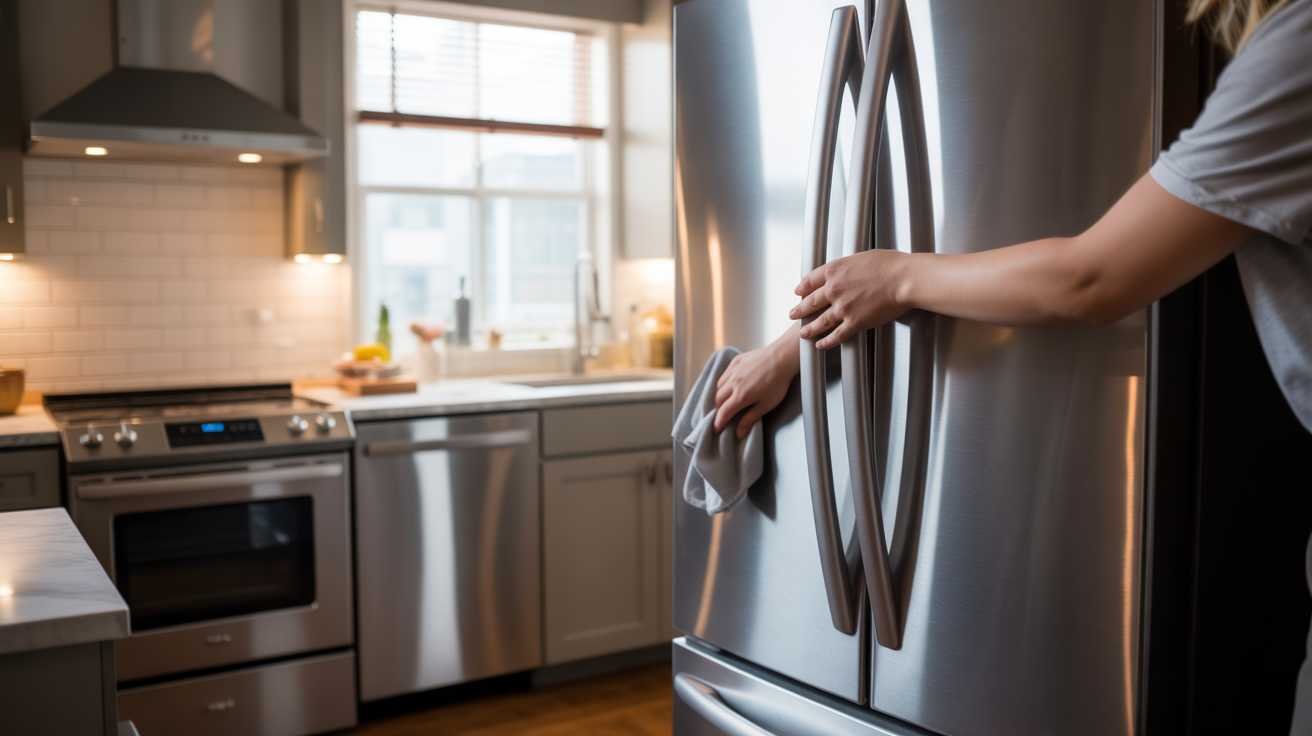
In today’s fast-paced world, appliances are the unsung heroes of our daily lives. From the hum of the refrigerator keeping our food fresh to the comforting warmth of the oven baking our favorite meals, these machines tirelessly work behind the scenes. Yet, many homeowners overlook the importance of regular maintenance, leading to premature breakdowns and costly repairs. This article delves into the essential steps to ensure your appliances serve you efficiently for years to come, drawing inspiration from the meticulous standards of 1950s appliance care.
The Forgotten Art of Appliance Maintenance
In the 1950s, appliance maintenance was a household priority. Manuals were detailed, and homeowners were educated on the intricacies of their machines. Fast forward to today, and while technology has advanced, the fundamental principles of upkeep remain unchanged. Regular maintenance not only extends the lifespan of appliances but also ensures they operate at peak performance. Neglecting this can lead to diminished efficiency, higher energy bills, and unexpected breakdowns. By dedicating a small portion of time each month to maintenance, you can save significantly in the long run.
Refrigerators: The Cold Keepers
Your refrigerator is the cornerstone of your kitchen, preserving perishables and ensuring food safety. However, without proper care, it can become a source of inefficiency. In the 1950s, homeowners were advised to regularly clean the condenser coils and check door seals to maintain optimal performance. Today, these practices remain relevant. Cleaning the coils every six months prevents dust buildup, which can cause the compressor to overheat. Additionally, inspecting and replacing faulty door seals ensures cold air isn’t escaping, leading to energy wastage. Remember, a well-maintained refrigerator not only functions better but also consumes less energy, translating to savings on your electricity bill.
Ovens and Stoves: The Heart of the Kitchen
Ovens and stoves have evolved in design and functionality since the 1950s, but their maintenance needs are timeless. Regular cleaning is paramount. Food spills, grease splatters, and burnt residues can affect cooking efficiency and pose fire hazards. In the 1950s, homeowners were taught to clean oven interiors with a mixture of baking soda and water, a method still recommended today. This natural solution effectively removes grime without damaging surfaces. Furthermore, checking burner connections and ensuring even flame distribution can enhance cooking performance and safety. A well-maintained oven not only cooks food evenly but also reduces energy consumption, ensuring your meals are prepared efficiently.
Washing Machines: The Unsung Heroes of Laundry
Washing machines have become more sophisticated over the decades, but their core function remains the same. Regular maintenance is crucial to ensure longevity and optimal performance. In the 1950s, homeowners were educated on the importance of balancing laundry loads to prevent strain on the machine. Overloading can cause the motor to work harder, leading to premature wear. Additionally, cleaning the lint filter after every use and running a maintenance cycle with hot water and vinegar every few months can prevent odors and buildup. These practices not only extend the lifespan of your washing machine but also ensure your clothes are cleaned effectively.
Dryers: The Silent Workhorses
Dryers, often overlooked, play a significant role in our daily routines. Neglecting their maintenance can lead to reduced efficiency and potential fire hazards. In the 1950s, homeowners were taught to clean the lint trap after every use, a practice that remains essential today. Lint buildup can obstruct airflow, causing the dryer to overheat and consume more energy. Additionally, inspecting and cleaning the vent hose regularly ensures proper ventilation, reducing the risk of fire. A well-maintained dryer not only dries clothes efficiently but also operates safely, providing peace of mind to homeowners.
Dishwashers: The Time-Saving Appliances
Dishwashers have revolutionized kitchen routines, saving time and effort. However, like all appliances, they require regular maintenance to function effectively. In the 1950s, homeowners were advised to clean the dishwasher filter regularly to ensure optimal performance. This practice prevents food particles from clogging the system and ensures dishes come out clean. Additionally, using the correct amount of detergent and avoiding overloading the machine can prevent strain on the motor and reduce wear. By adhering to these maintenance practices, your dishwasher will continue to save you time and energy, making it an indispensable part of your kitchen.
Microwaves: The Modern Convenience
Microwaves have become a staple in modern kitchens, offering quick and convenient meal preparation. However, their maintenance is often overlooked. Regular cleaning is essential to prevent food splatters and odors from affecting performance. In the 1950s, homeowners were taught to wipe down microwave interiors after each use, a practice still recommended today. This simple step ensures the appliance operates efficiently and extends its lifespan. Additionally, avoiding the use of metal containers and ensuring proper ventilation can prevent potential hazards. A well-maintained microwave not only heats food quickly but also operates safely, providing convenience without compromise.
Small Appliances: The Everyday Helpers
Small appliances, such as blenders, toasters, and coffee makers, are integral to daily routines. While they may seem less significant, their maintenance is equally important. In the 1950s, homeowners were educated on the importance of cleaning small appliances regularly to prevent buildup and ensure optimal performance. For instance, descaling coffee makers every few months can prevent mineral deposits from affecting the heating element. Similarly, cleaning toaster crumb trays and inspecting cords for wear can prevent potential hazards. By dedicating a few minutes each week to maintaining these appliances, you can ensure they continue to serve you efficiently.
Embracing 1950s Wisdom for Modern Efficiency
The 1950s era was characterized by a culture of self-reliance and meticulous care for household items. Homeowners were educated through detailed manuals and community workshops on the importance of appliance maintenance. Embracing this mindset today can lead to significant benefits. Regular maintenance not only extends the lifespan of appliances but also ensures they operate efficiently, saving energy and reducing costs. By incorporating these practices into your routine, you can enjoy the convenience of modern appliances while honoring the timeless wisdom of the past.