
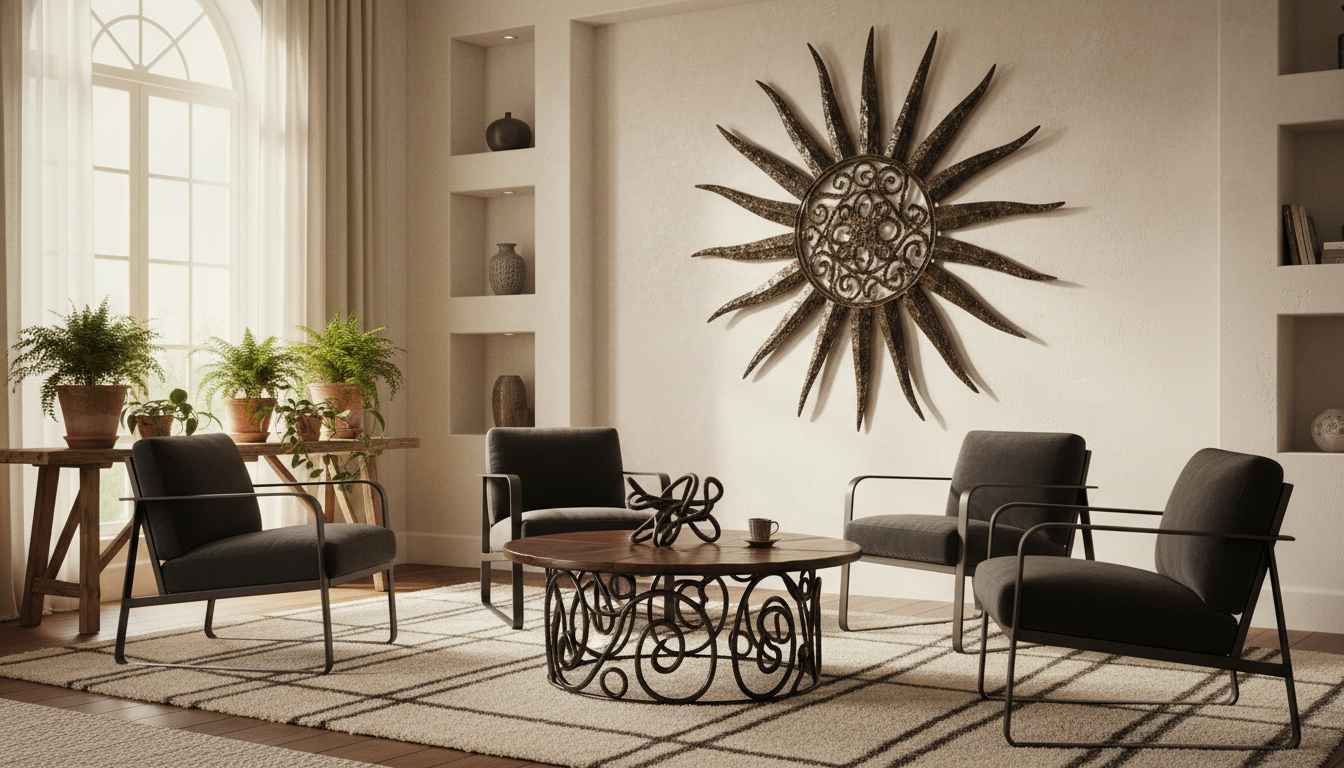
Imagine a classic car gliding down an empty highway, its steel frame gleaming under the sun, each rivet and curve a testament to craftsmanship. Iron decor in the home evokes a similar feeling – a structural elegance married to enduring strength. Just as the car’s frame supports both function and style, iron elements anchor spaces with a quiet yet undeniable presence, blending practicality with artistry.
Strengths of Iron Decor
Iron is synonymous with resilience. When incorporated into home decor, it offers a longevity few materials can match. Furniture pieces, from bed frames to dining tables, maintain structural integrity over decades. Beyond strength, iron introduces an aesthetic gravitas. Its natural patina or matte finishes can lend warmth or industrial sophistication, depending on the surrounding design choices. Designers often use iron as a counterbalance to lighter materials, creating tension and visual interest in open spaces.
Another strength lies in versatility. Iron decor can be molded into minimalist frames, intricate scrollwork, or geometric patterns. Lighting fixtures, railings, and shelving units crafted from iron can complement both modern and traditional interiors. Its adaptability makes it a favorite for tiny homes and loft-style apartments where multifunctional and durable pieces are essential.
Pro Tip: Combining iron decor with natural materials like wood or leather enhances both the texture and emotional warmth of a room, creating a balanced, inviting space.
Weaknesses of Iron Decor
Yet, iron is not without its challenges. Its weight can complicate installation and limit mobility. Large pieces require careful planning, not only for structural support but also to ensure they do not overwhelm a room’s proportions. Moreover, iron is prone to corrosion if not properly treated or maintained. Humid environments or frequent contact with water can lead to rust, undermining both aesthetics and integrity.
Iron’s coldness in texture and color can also clash with softer design elements. Without thoughtful pairing, spaces risk feeling harsh or uninviting. This necessitates a deliberate approach to complementary materials and finishes, ensuring that the decor enhances rather than detracts from the overall ambiance.
Opportunities with Iron Decor
Iron presents unique opportunities for homeowners willing to invest in craftsmanship. Custom designs can transform functional objects into statement pieces, turning staircases, fireplace screens, or room dividers into works of art. Its durability opens doors for outdoor applications as well, from garden furniture to decorative gates, allowing for cohesive indoor-outdoor design language.
Iron also offers the potential for eco-conscious living. Recycled and sustainably sourced iron can minimize environmental impact while providing a timeless aesthetic. For those exploring the philosophy of material longevity – favoring quality over disposability – iron is a tangible manifestation of that ethos.
Investing in iron decor can also create a risk-free experience in terms of durability. Unlike cheaper materials that may warp or fade, iron retains its form and function over decades, making the initial investment worthwhile. For curated pieces that combine artistry with resilience, the payoff is both practical and aesthetic. One example of thoughtfully designed iron decor can be found at Canvas ETC, where quality meets creative versatility.
Threats and Considerations
Despite its advantages, iron decor carries potential threats to a harmonious home environment. Improper handling or cheap reproductions can result in sharp edges or unstable pieces, posing safety risks. Changes in interior trends may also render some designs dated, though classic forms tend to endure.
Market fluctuations in metal prices can influence cost, potentially deterring budget-conscious buyers. Additionally, heavy reliance on iron may constrain future flexibility in design updates, as removing or relocating large items can be labor-intensive.
Who Should Avoid This?
Iron decor is not suitable for every household. Families with very young children may need to reconsider sharp-edged or heavy pieces. Those living in extremely humid or coastal environments must account for rust and maintenance. Minimalists or renters seeking frequent updates may find iron’s permanence restrictive. Awareness of these factors ensures that decor choices align with lifestyle, not just aesthetics.
Ultimately, iron decor embodies a philosophy of permanence and substance. Its strengths of durability, visual weight, and versatility are tempered by considerations of maintenance, installation, and style cohesion. For those who embrace its challenges, iron offers a tangible connection between the functional and the artistic, echoing the meticulous engineering of a classic car – crafted to last, admired for its enduring beauty.