
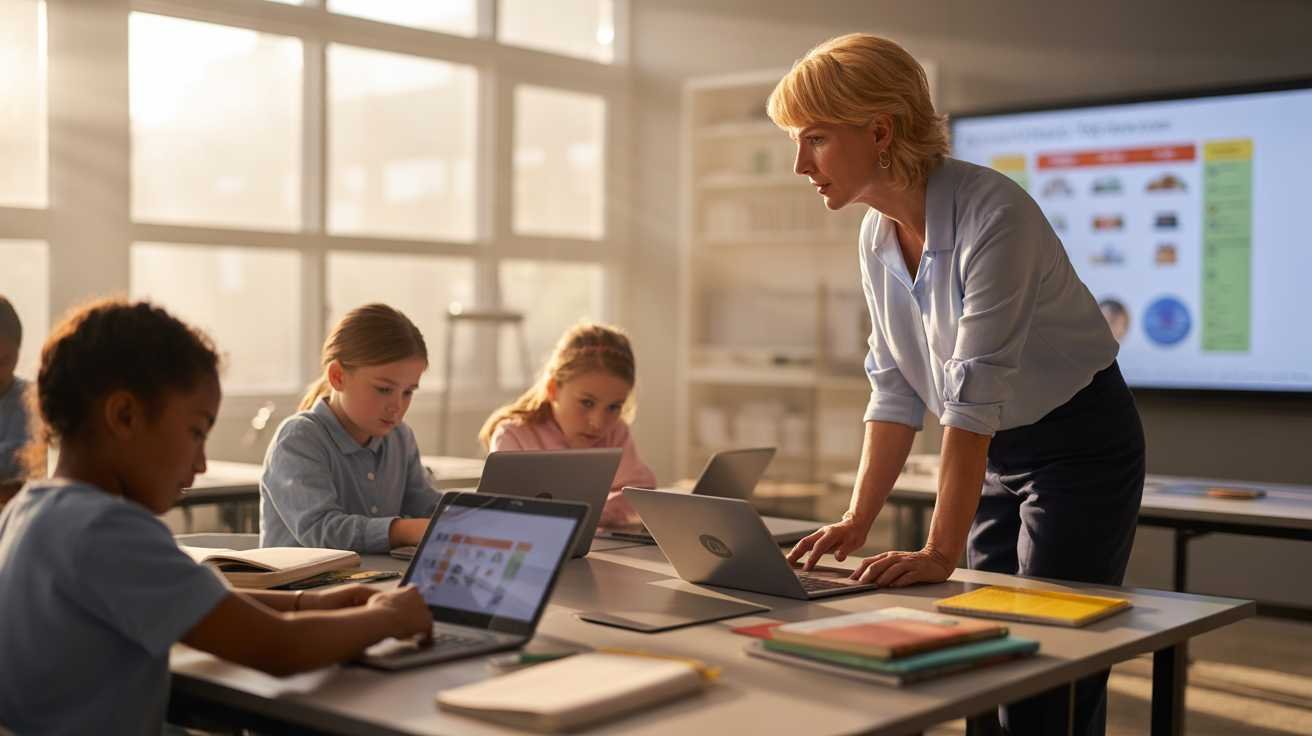
In today’s fast-paced educational landscape, the integration of technology into daily instruction isn’t just a luxury – it’s a necessity. As classrooms evolve, the demand for innovative teaching methods grows. Educators are no longer confined to traditional teaching tools; they have a plethora of digital resources at their fingertips. However, the challenge lies in integrating these tools seamlessly into daily instruction. This article delves into effective strategies for educators to harness technology’s full potential, ensuring that every lesson is engaging, efficient, and impactful.
Understanding the Importance of Technology Integration
The digital age has transformed every facet of our lives, and education is no exception. From interactive whiteboards to online collaborative platforms, technology offers a myriad of tools that can enhance the learning experience. But it’s not just about having the latest gadgets; it’s about using them purposefully. An educational research analyst emphasizes that when technology aligns with pedagogical goals, it can lead to improved student outcomes, increased engagement, and a more personalized learning experience. Without a clear strategy, however, technology can become a distraction rather than a tool for enhancement.
Assessing the Needs of Your Students
Before diving into the vast ocean of digital tools, it’s crucial to understand your students’ unique needs. Are they visual learners who benefit from videos and infographics? Do they thrive in collaborative environments facilitated by online forums and group projects? An educational research analyst suggests conducting surveys or informal assessments to gauge students’ preferences and technological proficiency. This data-driven approach ensures that the technology you introduce resonates with your students, fostering a more effective learning environment.
Selecting Appropriate Tools and Platforms
With countless educational tools available, selecting the right ones can be overwhelming. The key is to choose platforms that align with your teaching objectives and are user-friendly. For instance, if your goal is to enhance student collaboration, platforms like Google Classroom or Microsoft Teams can facilitate seamless communication and file sharing. An educational research analyst advises piloting a few tools before full-scale implementation, gathering feedback from students and adjusting as necessary. This iterative process ensures that the chosen tools genuinely add value to the learning experience.
Providing Adequate Training and Support
Introducing new technology without proper training can lead to frustration and underutilization. It’s essential to invest time in professional development, ensuring that both educators and students are comfortable with the tools at their disposal. Workshops, online tutorials, and peer mentoring can be effective ways to build confidence and competence. An educational research analyst highlights that ongoing support is equally important; having a tech-savvy colleague or IT specialist available can make the integration process smoother and more successful.
Creating a Blended Learning Environment
Blended learning, which combines traditional face-to-face instruction with online learning, offers flexibility and caters to diverse learning styles. By incorporating digital resources like video lectures, interactive quizzes, and discussion boards, educators can create a dynamic learning environment that extends beyond the classroom walls. An educational research analyst notes that blended learning promotes self-directed learning, allowing students to take ownership of their educational journey. However, it’s vital to maintain a balance, ensuring that technology complements rather than replaces human interaction.
Ensuring Accessibility and Inclusivity
Technology has the potential to bridge gaps in education, but only if it’s accessible to all students. This means considering factors like internet connectivity, device availability, and the diverse needs of learners. Tools should be chosen and implemented with inclusivity in mind, ensuring that all students, regardless of their background or abilities, can benefit. An educational research analyst emphasizes the importance of universal design principles, which advocate for creating learning experiences that are accessible to everyone from the outset, rather than making accommodations afterward.
Monitoring and Evaluating Effectiveness
Integrating technology isn’t a one-time event; it’s an ongoing process that requires regular monitoring and evaluation. Collecting data on student performance, engagement levels, and feedback can provide valuable insights into the effectiveness of the tools and strategies employed. An educational research analyst recommends setting clear metrics and objectives to assess progress and identify areas for improvement. This reflective approach ensures that technology integration remains dynamic and responsive to the evolving needs of students.
Fostering a Culture of Innovation
For technology integration to be truly effective, it must be embraced as part of the school’s culture. Encouraging experimentation, sharing successes and challenges, and celebrating innovative teaching practices can inspire educators to continually explore new ways to enhance learning. An educational research analyst suggests creating communities of practice where educators can collaborate, share resources, and learn from each other. This collective approach fosters a supportive environment where technology becomes an integral part of the educational experience.
Staying Updated with Emerging Trends
The world of educational technology is constantly evolving, with new tools and trends emerging regularly. Staying informed about these developments ensures that educators can leverage the latest innovations to benefit their students. Subscribing to educational technology journals, attending conferences, and participating in online forums can provide valuable insights. An educational research analyst advises that while it’s essential to stay updated, it’s equally important to critically evaluate the relevance and effectiveness of new technologies before integrating them into the classroom.