
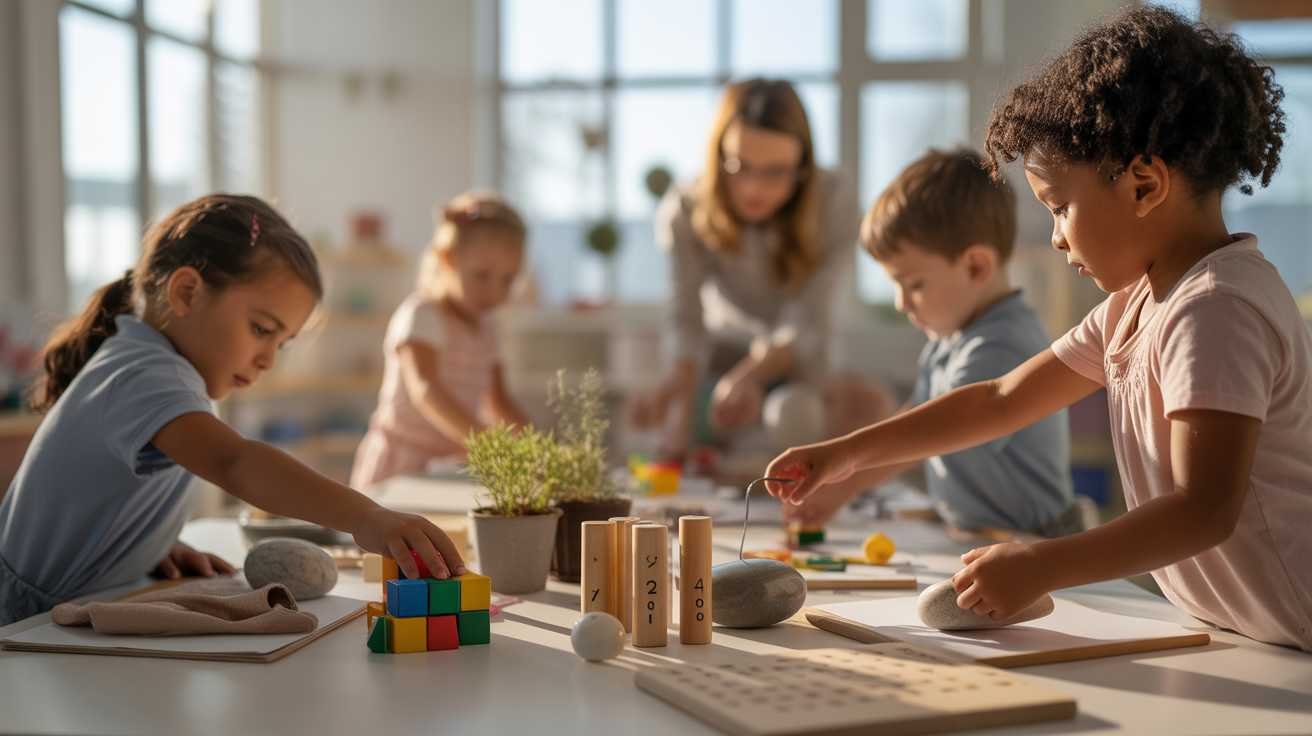
Why Real-World Materials Matter in Today’s Classroom
In the ever-evolving world of education, it’s crucial to keep learning relevant and engaging. Teachers have the monumental task of making lessons captivating, and what better way to accomplish this than by integrating real-world materials into your teaching strategy? The use of real-world resources can dramatically enhance students’ understanding by connecting textbook knowledge with tangible, real-life experiences. Famous educational systems across the globe emphasize experiential learning, and real-world materials play a pivotal role in this approach. Imagine your students interacting with objects that spark curiosity, inspire questions, and create real-world connections right before their eyes. This strategy fosters deeper learning, provides context to academic concepts, and promotes critical thinking. In a world where information is abundant, it is crucial that we move beyond passive learning methods to ones that actively engage the mind, building skills students will use in their future careers and everyday lives.
Incorporating Everyday Objects into Lessons
One of the most accessible ways to incorporate real-world materials into your classroom is by using everyday objects. These are items your students encounter daily, and by bringing them into the classroom, you immediately create a sense of familiarity and relevance. For instance, you can use items like fruit, magazines, or even fabric swatches to teach concepts across subjects such as science, math, and language arts. Imagine explaining the principles of symmetry and geometry using the different shapes of leaves, or diving into ecosystems using an apple to represent a food chain. These seemingly mundane objects take on new importance when linked to academic content, making lessons feel like authentic learning experiences rather than abstract concepts. The sensory nature of these materials, especially tactile ones, further enhances the learning process by engaging more than just the mind, but also sight and touch.
Using Media and Technology for Interactive Learning
Incorporating media and technology is another effective way to bring real-world materials into the classroom. Famous educational platforms have revolutionized how teachers deliver lessons by integrating digital resources. Imagine showing your students how engineers use simulations by opening a virtual 3D model of a bridge to study its design or using interactive apps to demonstrate the chemistry behind everyday reactions. The ability to access real-world data, such as weather patterns, economic statistics, or historical footage, brings abstract content to life in ways textbooks never can. Videos, podcasts, and online databases provide an endless supply of materials to enrich the classroom experience, making it not only educational but also exciting. With these tools, students are not only passive listeners but active participants in their learning journey, connecting classroom theories with real-world applications.
Field Trips: A Gateway to Real-World Learning
Nothing brings real-world materials into the classroom more effectively than field trips. When students step outside the walls of their school and into the community, they encounter first-hand experiences that textbooks and lectures can never match. Whether it’s a visit to a museum, a botanical garden, or a local factory, the hands-on learning that takes place during field trips opens up new worlds of discovery. Famous educational systems worldwide leverage the power of field trips to enrich classroom instruction and create lasting memories. For instance, a visit to a science museum allows students to explore concepts in physics, biology, and chemistry in an interactive environment. It’s an unforgettable experience that cements learning and ignites curiosity. Moreover, field trips bring a sense of urgency to the lesson, as students are only in these settings for a limited time, creating a “FOMO” effect that drives deeper engagement.
Bringing Guest Speakers and Experts into the Classroom
Another powerful method of using real-world materials is by inviting guest speakers or experts to the classroom. Famous educational methods often rely on bringing outside voices into the learning environment to provide a fresh perspective. This approach allows students to connect with professionals and see how the concepts they’re learning apply to the real world. Imagine having a local architect discuss urban planning with your students, or a biologist explaining the importance of biodiversity in the ecosystem. These interactions provide real-world context and insight, sparking curiosity and engagement. Students can ask questions directly to these experts, which also fosters a sense of connection to the broader world beyond their school.
Real-World Materials in STEM Education
STEM education – science, technology, engineering, and math – has a significant focus on real-world application, making it an ideal subject for integrating real-world materials. By using everyday objects and materials in hands-on experiments, students gain valuable insight into how STEM principles operate in the world around them. Consider using recycled materials to build simple machines, or food coloring to demonstrate chemical reactions. Famous educational institutions worldwide rely on this approach to make complex scientific principles more accessible and interesting. Moreover, by conducting experiments with real-world objects, students can see the immediate consequences of their actions, making abstract theories come alive in the classroom. For example, students building models of bridges out of spaghetti or creating simple electrical circuits with everyday items will gain an intuitive grasp of engineering and physics concepts, preparing them for careers in these fields.
Connecting Social Studies with Real-World Events
In social studies, the integration of current events and real-world materials can transform history lessons from dull memorization exercises into vivid, engaging stories. Imagine discussing global economics while looking at real-time stock market trends or analyzing political events through recent news articles. Famous educational systems around the world have long recognized the importance of teaching students to make connections between past and present events. By integrating resources like newspapers, news broadcasts, and digital archives, you can give students access to the most up-to-date information, fostering critical thinking and a deeper understanding of the world’s complexities. Students who can connect historical events with current issues are more likely to engage in meaningful discussions and develop a sense of responsibility as global citizens.
Enhancing Language Arts with Real-World Reading Materials
Language arts lessons also benefit greatly from the use of real-world materials. Rather than relying solely on textbooks, why not incorporate magazines, newspapers, advertisements, and even social media posts into your lessons? Famous educational systems have long emphasized the importance of teaching students how to interpret the written word in a variety of formats, recognizing that reading skills go beyond the classroom and into the world of work and media. These real-world texts provide context for grammar lessons, comprehension strategies, and even creative writing assignments. Consider asking students to analyze the tone of a current news article, or have them write their own version of an advertisement based on principles of persuasive writing. By using real-world materials, language arts classes become more relevant and engaging, empowering students to become better communicators in both academic and real-world contexts.
How to Make the Most of Real-World Materials in Your Classroom
To effectively use real-world materials, it’s important to be intentional about their integration into your lessons. Planning is key. Famous educational practitioners suggest that teachers begin by identifying the learning objectives for a particular lesson and then determining which real-world materials can best illustrate those concepts. For instance, if teaching about economics, you might use local store flyers to compare prices or calculate the total cost of a shopping list. If teaching about environmental science, you could collect samples from local parks to examine plant and soil types. Don’t be afraid to be creative. Use the resources around you, and always aim to make the learning experience immersive, interactive, and connected to the real world.