
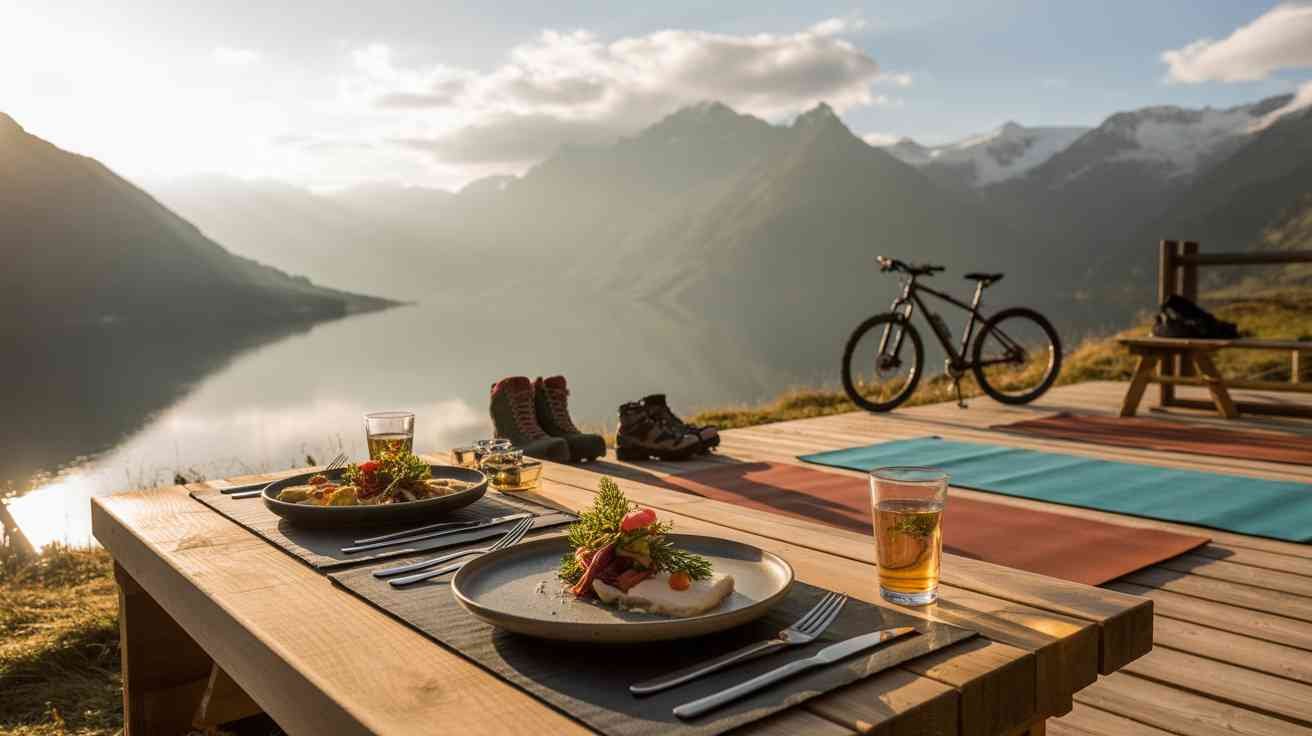
The best travel destinations for food, adventure, and wellness offer variety without requiring travelers to choose between exploration and relaxation. You might begin the morning with a local market breakfast, spend the afternoon hiking or snorkeling, and finish the day with a thermal bath, yoga session, or leisurely dinner.
This type of travel is increasingly relevant in 2026. Current travel coverage shows growing interest in destinations where culinary experiences, outdoor activities, nature, and wellness can be combined rather than treated as separate parts of a vacation. National Geographic’s 2026 travel coverage, for example, includes dedicated selections for both food destinations and wellness experiences, while Lonely Planet’s 2026 recommendations emphasize destinations offering distinctive journeys and experiences.
What Makes a Destination Good for Food, Adventure, and Wellness?
A destination does not need to be a dedicated wellness retreat to work for this style of vacation. The strongest options have several complementary experiences available within the same region.
When comparing destinations, look for:
- Strong local cuisine: regional dishes, markets, cooking traditions, restaurants, and food tours.
- Outdoor activities: hiking, diving, surfing, cycling, kayaking, skiing, or wildlife experiences.
- Wellness opportunities: spas, thermal baths, yoga, meditation, nature-based relaxation, or traditional healing practices.
- Accessible nature: beaches, mountains, forests, lakes, or protected landscapes.
- Cultural depth: local traditions and communities that make the experience more meaningful.
- Flexible itineraries: enough variety to alternate active days with slower ones.
1. Bali, Indonesia
Bali is one of the most natural fits for travelers who want food, adventure, and wellness in the same destination. The island combines tropical landscapes, Indonesian cuisine, beaches, rice terraces, temples, waterfalls, diving, surfing, yoga, and spa experiences.
Ubud is particularly suited to travelers interested in wellness, culture, plant-based food, traditional treatments, and nature. Coastal areas provide more opportunities for surfing, snorkeling, diving, and relaxed beach days.
The key to experiencing Bali well is to avoid building the entire trip around one area. Combining inland and coastal locations can create a much more varied vacation.
2. Thailand
Thailand provides an exceptional combination of food, adventure, and relaxation. Bangkok offers markets, street food, restaurants, temples, and urban energy, while northern destinations provide mountains, cultural experiences, and outdoor activities.
The southern islands add beaches, snorkeling, diving, kayaking, and opportunities to slow down. Thai massage and wellness traditions can also be incorporated naturally into an itinerary.
Food is one of Thailand’s biggest strengths. Travelers can explore everything from street stalls and local markets to regional specialties and contemporary restaurants.
3. Costa Rica
Costa Rica is particularly attractive for travelers who place nature and adventure at the center of their trip. Rainforests, volcanoes, beaches, waterfalls, and wildlife habitats provide a broad range of outdoor experiences.
Activities can include hiking, surfing, ziplining, wildlife observation, snorkeling, and visits to hot springs. After an active day, travelers can slow down at a wellness-focused hotel, thermal spring, beach, or quiet nature lodge.
Costa Rica is also a good destination for travelers who want wellness to come from spending time in nature rather than from a traditional luxury spa.
4. Japan
Japan offers an unusual combination of culinary depth, outdoor adventure, cultural experiences, and traditional approaches to relaxation.
Tokyo and Osaka are excellent for food-focused travelers, while Kyoto provides temples, gardens, traditional neighborhoods, and cultural experiences. Mountain regions and rural areas can add hiking and nature to the itinerary.
For wellness, travelers can experience onsens, traditional bathing culture, peaceful gardens, forest environments, and slower-paced rural destinations.
The combination works particularly well because food and wellness are deeply connected to the broader cultural experience rather than being isolated tourist activities.
5. Greece
Greece can combine Mediterranean cuisine, island adventures, coastal activities, historic exploration, and relaxation in a single trip.
Greek food provides a strong culinary foundation, with fresh vegetables, seafood, olive oil, grains, cheeses, and regional specialties appearing throughout the country.
Travelers can add hiking on islands, sailing, swimming, snorkeling, kayaking, or exploring mountain villages. The Mediterranean environment also lends itself naturally to slower days spent near the sea.
Crete is especially interesting for this travel style because its food traditions, mountainous landscapes, beaches, villages, and outdoor opportunities can all be experienced within one island. National Geographic’s 2026 food coverage highlights Cretan cuisine and its relationship with the Mediterranean Diet.
6. Portugal
Portugal is another versatile option for travelers who want food, active experiences, and relaxation without constantly changing countries or regions.
Lisbon and Porto offer strong culinary and cultural experiences, while the Algarve provides beaches, coastal walks, surfing, and outdoor activities.
Madeira is particularly attractive for adventurous travelers because of its dramatic mountains, hiking trails, coastal scenery, and subtropical environment. A Portugal itinerary can therefore combine city food experiences with nature and active travel.
7. New Zealand
New Zealand is a strong choice for travelers who put adventure first but still want excellent food and opportunities to relax.
Mountain landscapes, lakes, forests, coastlines, hiking routes, kayaking, cycling, skiing, and scenic road trips create an enormous range of outdoor possibilities.
After spending a day outdoors, travelers can enjoy local wine, seafood, farm-to-table cuisine, hot pools, or a slower evening in one of the country’s scenic towns.
Queenstown is particularly suited to this combination because it offers high-energy activities alongside restaurants, lake views, accommodation, and relaxation options.
8. Turkey
Turkey provides a particularly strong connection between food and wellness because culinary traditions, hospitality, bathing culture, and outdoor landscapes can all form part of the same trip.
Istanbul offers historic neighborhoods, markets, Turkish cuisine, and traditional hammam experiences. Along the coast, travelers can add swimming, hiking, sailing, and relaxing seaside stays.
The Turquoise Coast is especially appealing when you want to combine Mediterranean scenery with local cuisine and outdoor activities. Turkey’s traditional hammam culture also provides a distinctive wellness experience rather than a generic resort spa.
9. Sri Lanka
Sri Lanka combines tropical scenery, distinctive cuisine, wildlife, beaches, mountains, tea country, and wellness traditions.
Travelers can explore historic sites and local markets, hike through highland landscapes, visit tea plantations, go on wildlife safaris, and finish the day near the coast.
Ayurvedic traditions add another dimension for travelers interested in wellness. The best itineraries allow enough time to experience these elements without rushing between distant parts of the island.
10. Vietnam
Vietnam is an excellent option for travelers who prioritize food and cultural discovery while still wanting outdoor experiences.
Hanoi and Ho Chi Minh City offer vibrant food scenes, markets, coffee culture, and historic neighborhoods. Central and northern regions add mountains, caves, rice terraces, beaches, and opportunities for cycling or hiking.
Vietnam can also be attractive for wellness-focused travelers because many itineraries can incorporate quieter countryside stays, massage treatments, beach relaxation, and nature-based activities.
11. Australia
Australia offers enormous variety for travelers who want to combine culinary experiences with outdoor adventure and wellness.
Sydney and Melbourne provide sophisticated food scenes, while coastal regions offer surfing, swimming, hiking, and marine activities. Further inland and north, travelers can explore national parks, wildlife, reefs, and remote landscapes.
Australia’s scale means that itinerary planning matters. Choose one or two regions rather than attempting to cover the country in a single trip.
12. South Africa
South Africa is a particularly compelling destination for travelers who want adventure and food alongside nature and relaxation.
Cape Town combines mountains, beaches, restaurants, markets, and cultural attractions. Nearby wine regions add food and wine experiences, while coastal and mountain areas provide opportunities for hiking and outdoor exploration.
Wildlife-focused travelers can extend their trip with a safari, creating an experience that is both adventurous and deeply connected to the natural environment.
13. Mexico
Mexico is one of the strongest choices for travelers who want a vacation built around food and culture but still want plenty of adventure and relaxation.
Mexico’s regional cuisines vary significantly, so destinations such as Mexico City, Oaxaca, Yucatán, Baja California, and the Riviera Maya can provide very different experiences.
The Riviera Maya adds cenotes, snorkeling, diving, beaches, jungle activities, and Mayan archaeological sites. Oaxaca offers food and cultural depth, while Baja California is particularly interesting for coastal adventures.
This diversity means Mexico is better treated as a collection of regional travel experiences rather than a single uniform destination.
14. Italy
Italy is ideal for travelers who believe food should be a central part of the journey. Regional cuisine, local markets, wine, cooking traditions, and historic food cultures make culinary exploration easy to incorporate.
Adventure can take the form of hiking in the Dolomites, cycling through countryside, sailing along the coast, or exploring volcanic landscapes.
Wellness can be added through thermal towns, countryside retreats, coastal relaxation, or simply building slower days into a food-focused itinerary.
15. Morocco
Morocco offers a distinctive combination of food, culture, desert landscapes, mountains, coastal experiences, and traditional wellness practices.
Marrakech provides markets, Moroccan cuisine, architecture, gardens, and hammam experiences. The Atlas Mountains create opportunities for hiking and village visits, while coastal destinations offer a slower pace.
A Moroccan itinerary can therefore move from active mountain exploration to a traditional hammam and a long dinner without feeling disconnected from the destination’s culture.
Best Destinations for Food, Adventure, and Wellness by Travel Style
Best for food lovers
- Italy
- Japan
- Thailand
- Mexico
- Vietnam
- Greece
Best for adventure travelers
- New Zealand
- Costa Rica
- Australia
- South Africa
- Sri Lanka
Best for wellness-focused vacations
- Bali
- Thailand
- Japan
- Sri Lanka
- Turkey
- Morocco
Best for balanced trips
- Bali
- Costa Rica
- Greece
- Portugal
- Mexico
- New Zealand
How to Build a Food, Adventure, and Wellness Itinerary
The easiest way to plan this type of trip is to divide the vacation into complementary experiences rather than trying to fit all three categories into every day.
For example, an active day might include a hike followed by a healthy local meal and a relaxed evening. Another day could focus on a cooking class and cultural sightseeing, followed by a spa or thermal experience.
A useful balance is to alternate high-energy activities with slower experiences. This prevents the trip from becoming exhausting and gives you time to appreciate the destination.
Example seven-day structure
- Day 1: Arrive, explore the neighborhood, and enjoy a relaxed local dinner.
- Day 2: Take a food tour or cooking class and explore local markets.
- Day 3: Plan a major outdoor adventure such as hiking, diving, or kayaking.
- Day 4: Slow down with a wellness treatment, beach day, thermal bath, or nature walk.
- Day 5: Explore a cultural or historic attraction and sample regional cuisine.
- Day 6: Choose another outdoor activity based on your interests.
- Day 7: Keep the final day flexible for relaxation, shopping, or a memorable meal.
How Food and Wellness Can Work Together
Wellness travel does not necessarily mean eating restrictive meals throughout your vacation. In many destinations, food is an important part of cultural wellness and social connection.
Travelers can focus on fresh local ingredients, regional cooking traditions, balanced meals, hydration, and moderation while still enjoying signature dishes.
Crete is a good example of this connection. National Geographic’s 2026 food coverage discusses traditional Cretan cuisine in relation to the Mediterranean Diet, emphasizing ingredients such as olive oil, vegetables, legumes, fruits, and whole grains.
The goal should be to experience the local food culture rather than treating wellness as a reason to avoid it.
How to Balance Adventure With Relaxation
Adventure travel can be physically demanding, especially when hiking, diving, cycling, skiing, or participating in water sports. Building recovery time into your itinerary can make the overall vacation more enjoyable.
Consider alternating strenuous days with lighter activities. A long hike can be followed by a spa treatment or relaxed meal, while an intense water-sports day can be followed by a slower cultural experience.
This approach also gives travelers more flexibility if weather or energy levels change.
Best Time to Plan a Food, Adventure, and Wellness Vacation
There is no universal best season because every destination has different weather patterns and seasonal experiences.
For outdoor-focused trips, research rainfall, temperatures, water conditions, trail accessibility, and seasonal wildlife. For food-focused trips, look for harvest seasons, festivals, markets, and regional culinary events.
For wellness travel, consider whether you prefer warm-weather relaxation, mountain environments, thermal bathing, or cooler nature-based retreats.
Current 2026 travel recommendations show that wellness travel increasingly extends beyond traditional spas into outdoor movement, nature immersion, cultural traditions, and local experiences.
Tips for Planning This Type of Vacation
- Choose one main travel theme. Decide whether food, adventure, or wellness will be the primary focus.
- Add the other two around it. This creates a coherent itinerary rather than a random collection of activities.
- Research regional specialties. Food experiences are often strongest when you explore local dishes rather than international restaurant menus.
- Book popular activities in advance. Cooking classes, guided hikes, diving trips, and wellness experiences can have limited availability.
- Allow recovery time. Avoid scheduling demanding activities on every day of the trip.
- Stay hydrated. Outdoor activities, warm climates, and travel days can increase your fluid needs.
- Choose reputable operators. This is especially important for adventure activities and wellness treatments.
- Respect local culture. Food traditions, wellness practices, religious customs, and outdoor environments should be approached respectfully.
Frequently Asked Questions
What are the best travel destinations for food, adventure, and wellness?
Bali, Thailand, Costa Rica, Japan, Greece, Portugal, New Zealand, Turkey, Sri Lanka, Vietnam, Australia, South Africa, Mexico, Italy, and Morocco are strong choices because they offer combinations of culinary experiences, outdoor activities, nature, and opportunities to relax.
What is the best destination for food and wellness?
Japan, Greece, Bali, Thailand, Italy, Sri Lanka, and Turkey are particularly appealing because local cuisine can be combined with traditional wellness practices, nature, or slower-paced travel.
What is the best destination for adventure and relaxation?
Costa Rica, Bali, New Zealand, Greece, Portugal, and Sri Lanka offer strong combinations of outdoor activities and opportunities to relax afterward.
Can a food-focused vacation also be healthy?
Yes. Exploring local cuisine does not require avoiding regional dishes. Travelers can prioritize fresh ingredients, balanced meals, reasonable portions, hydration, and active experiences while still enjoying local specialties.
How long should a food, adventure, and wellness vacation be?
A week can provide enough time for a balanced itinerary, although 10 to 14 days gives travelers more flexibility to explore multiple regions without rushing.
What should I prioritize when choosing a destination?
Start with the experience you care about most. If food is the priority, choose a destination with a strong culinary culture. If adventure matters most, prioritize landscapes and outdoor activities. If recovery is the main goal, look for destinations with nature, thermal experiences, wellness traditions, and a slower pace.
Final Thoughts
The best travel destinations for experiencing a mix of food, adventure, and wellness allow travelers to enjoy a more complete vacation. Instead of choosing between an active trip, a culinary journey, or a relaxing retreat, you can combine all three.
Bali and Thailand are excellent for tropical experiences, Japan combines food with culture and traditional relaxation, Costa Rica and New Zealand stand out for outdoor adventure, while Greece, Italy, Mexico, and Portugal offer strong combinations of cuisine, nature, and slower travel.
The best destination ultimately depends on your preferred balance. Choose a place where the food culture excites you, the landscape encourages exploration, and the pace gives you enough room to rest. That combination can turn a vacation into an experience that feels both adventurous and restorative.
For more culinary travel inspiration, explore our guide to the best travel destinations for food lovers. You can also explore our guide to destinations for local cuisine and cultural activities.
For broader vacation inspiration, visit our guide to the best places to visit for vacation in the world.