
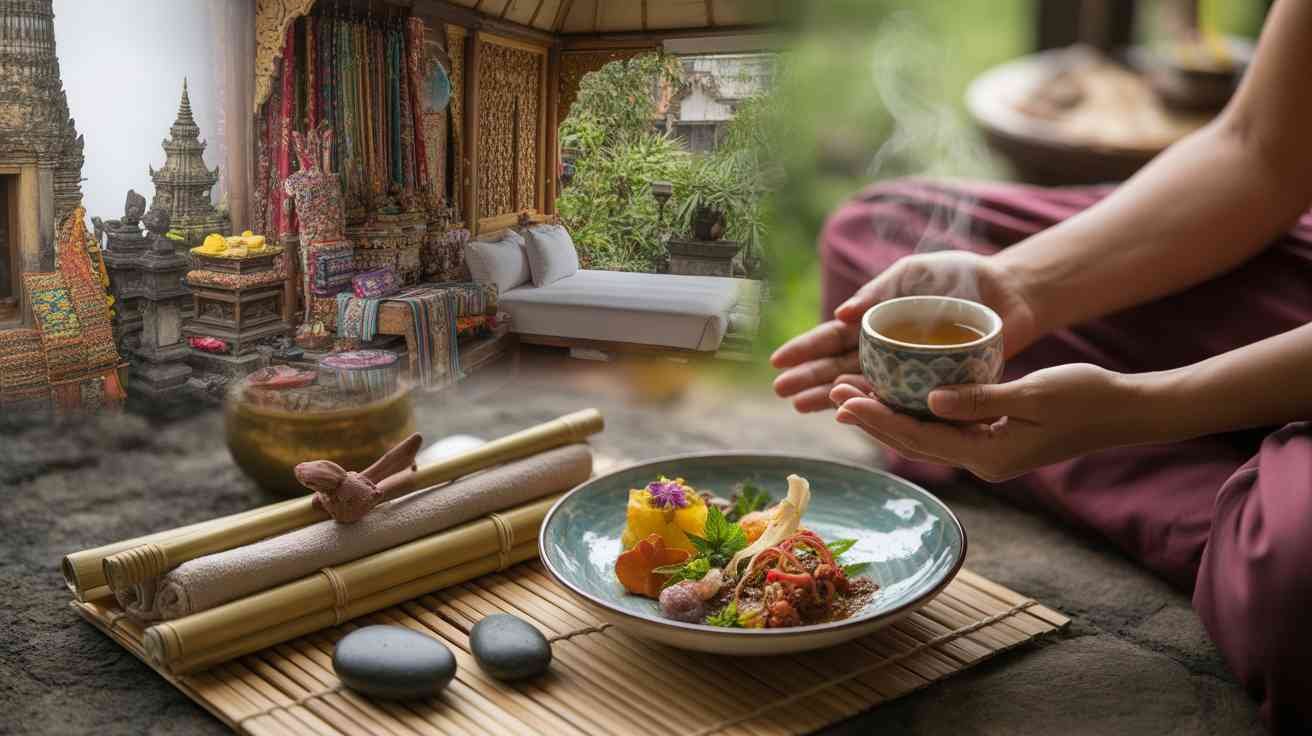
For travelers who want more than a sightseeing checklist, these destinations offer a balanced way to plan a trip. Some are known for historic neighborhoods and culinary traditions, while others combine mountain landscapes, creative communities, wellness retreats, markets, and outdoor activities. The right choice depends on whether your priority is cultural discovery, culinary exploration, relaxation, or a combination of all three.
What Makes a Destination Good for Culture, Food, and Wellness?
A strong culture-and-wellness destination does not need to offer the same type of experience in every category. Instead, it should give travelers authentic ways to move between cultural exploration, local dining, and restorative activities.
- Culture: Historic districts, museums, performing arts, local traditions, markets, architecture, and community events.
- Food: Regional specialties, farmers markets, independent restaurants, food tours, cooking experiences, and locally sourced ingredients.
- Wellness: Spas, hiking, beaches, hot springs, yoga, scenic outdoor spaces, mindfulness experiences, and time away from busy routines.
The strongest destinations make these experiences easy to combine. A traveler might spend the morning visiting a cultural district, enjoy a regional lunch, and finish the afternoon with a hike, spa treatment, or quiet time in nature.
1. Santa Fe, New Mexico
Santa Fe is one of the strongest choices for travelers interested in culture, food, art, and wellness in a single trip. Its historic character and distinctive Southwestern identity create a cultural experience that feels different from larger American cities.
Food is an important part of the experience. New Mexican cuisine, chile-based dishes, local markets, cooking classes, and independent restaurants give visitors plenty of ways to explore the region through its flavors. Travelers can also combine culinary stops with galleries, historic sites, Native American cultural experiences, and art districts.
Wellness adds another dimension. Hiking, cycling, spa experiences, meditation, and time outdoors provide natural breaks between cultural activities. The result is a destination where an itinerary can move naturally from art and history to food and relaxation.
For planning inspiration, the official Santa Fe itinerary guides combine cultural attractions, food, outdoor activities, and relaxation ideas.
2. Asheville, North Carolina
Asheville is particularly appealing to travelers who want mountain scenery alongside a strong food and arts scene. The Blue Ridge setting provides an immediate connection to the outdoors, while the city itself has a creative identity shaped by artists, makers, musicians, chefs, and independent businesses.
Food is central to the Asheville experience. Travelers can explore farm markets, locally focused restaurants, Appalachian-inspired cooking, craft beverages, bakeries, and creative contemporary cuisine. The variety makes it easy to build a food-focused itinerary without losing the destination’s regional character.
Wellness can take many forms here. Hiking, scenic drives, gardens, riverside walks, spas, yoga, and other restorative activities allow visitors to balance active exploration with slower moments. That combination makes Asheville especially suitable for travelers who enjoy both outdoor adventure and relaxation.
3. New Orleans, Louisiana
New Orleans is a natural choice for travelers whose idea of wellness includes slowing down, walking through historic neighborhoods, listening to live music, and enjoying food as part of the cultural experience.
The city’s cultural identity is visible in its architecture, music, festivals, traditions, and neighborhoods. Exploring the French Quarter and surrounding districts can become a cultural journey rather than simply a sightseeing activity.
Food is equally important. Creole and Cajun influences, seafood, rice dishes, pastries, local drinks, and long-established culinary traditions make dining one of the defining parts of a New Orleans visit. Cooking classes and food-focused tours can add an educational element to the experience.
For wellness, travelers can build in slower activities between cultural outings. Walking tours, green spaces, riverfront areas, leisurely meals, and time away from crowded entertainment districts can create a more balanced itinerary.
The official New Orleans city tour resources are useful for combining neighborhoods, history, architecture, food, and cultural experiences.
4. San Francisco, California
San Francisco works well for travelers who want urban culture, diverse food, scenic outdoor spaces, and wellness activities within one compact trip.
The city’s neighborhoods offer distinct cultural identities, while museums, galleries, historic areas, markets, and community events create plenty of opportunities for exploration. Food is another major strength, with influences from many immigrant communities appearing across restaurants, bakeries, markets, and specialty food businesses.
Wellness does not have to mean spending the entire day at a spa. Walking along the waterfront, exploring parks, hiking nearby trails, cycling, practicing yoga, or simply building slower periods into a busy itinerary can provide balance.
Travelers who want a food-centered experience can also explore the city’s culinary experiences in San Francisco, including food tours, markets, tastings, and outdoor dining opportunities.
5. San Diego, California
San Diego offers an appealing combination of coastal culture, diverse food, outdoor recreation, and relaxed wellness experiences. Its beaches and mild outdoor-oriented lifestyle make it easy to build restorative activities into a sightseeing itinerary.
Travelers can explore historic neighborhoods, museums, public spaces, local markets, and cultural attractions before moving toward the coast. The city’s food scene adds another layer, with strong Mexican influences, seafood, contemporary restaurants, and neighborhood dining.
For wellness, the coastline is the obvious starting point. Walking, surfing, cycling, beach time, hiking, and outdoor fitness can all become part of a trip without requiring a highly structured wellness retreat.
San Diego is particularly suitable for travelers who prefer an informal approach to wellness: stay active during the day, eat well, explore local culture, and leave enough time to relax.
6. Portland, Oregon
Portland is a strong option for travelers who enjoy independent food culture, creative communities, outdoor activities, and a slower urban rhythm.
The city’s neighborhoods, bookstores, markets, galleries, gardens, and independent businesses create plenty of opportunities for cultural discovery. Rather than relying only on major attractions, travelers can experience the city through local districts and everyday community spaces.
Food is another major attraction. Farmers markets, food carts, independent restaurants, coffee shops, bakeries, and craft beverage producers make it easy to create a varied culinary itinerary.
Wellness can be built around Portland’s access to parks, trails, gardens, cycling routes, and nearby natural areas. Travelers can therefore combine a food-focused morning with outdoor exploration later in the day.
7. Honolulu, Hawaii
Honolulu brings together Polynesian and Hawaiian cultural influences, island cuisine, ocean activities, and a naturally restorative environment. It is especially appealing for travelers who want culture and food without giving up beach and outdoor experiences.
Cultural exploration can include museums, historic sites, traditional arts, music, local markets, and opportunities to learn more about Native Hawaiian history and traditions. Food provides another way to understand the islands, with Hawaiian, Japanese, Filipino, Korean, Chinese, and other influences contributing to the local dining landscape.
Wellness is naturally connected to the setting. Swimming, surfing, hiking, beach walks, paddling, and time outdoors can create a sense of recovery while still keeping the itinerary active.
Because Honolulu can become busy, travelers should avoid filling every hour with activities. Leaving room for unstructured beach time or a slower meal can make the overall trip more enjoyable.
8. Charleston, South Carolina
Charleston is well suited to travelers who prioritize historic character, Southern food, walkable neighborhoods, and a relaxed pace.
The city’s architecture and historic districts provide a strong cultural foundation. Walking through older neighborhoods allows visitors to appreciate the city’s built environment while learning about the complex history that shaped the region.
Food is another major reason to visit. Lowcountry culinary traditions, seafood, Southern cooking, local produce, and contemporary interpretations of regional dishes give travelers plenty to explore.
For wellness, a slower itinerary works particularly well. Walking tours, waterfront areas, gardens, nearby beaches, and relaxed meals can provide restorative pauses between cultural experiences.
9. Sedona, Arizona
Sedona is a particularly good fit for travelers who place outdoor wellness and landscape experiences at the center of their trip while still wanting access to arts, local culture, and regional food.
The red-rock landscape shapes almost every aspect of a Sedona visit. Hiking and scenic drives can provide active exploration, while quieter trails and peaceful viewpoints offer opportunities to slow down.
The city’s creative community adds a cultural dimension through galleries, studios, shops, and local artistic traditions. Dining options allow visitors to explore Southwestern flavors while maintaining a relaxed travel rhythm.
Sedona is best approached with realistic expectations about wellness. Hiking, time in nature, rest, and mindful outdoor experiences can support a restorative trip without making unsupported claims about specific spiritual or medical benefits.
10. Napa Valley, California
Napa Valley is a natural choice for travelers who want culinary experiences, wine-country culture, scenic landscapes, and relaxation. Although it is often associated primarily with wine, the region can support a broader itinerary.
Food is central to the destination, with restaurants, farm products, local ingredients, and culinary experiences complementing the area’s agricultural identity. Travelers can pair meals with visits to nearby communities, galleries, markets, and scenic countryside.
Wellness can be approached through spa treatments, walking, cycling, quiet accommodations, gardens, and time spent enjoying the landscape. The key is to avoid turning every stop into another scheduled activity.
Napa Valley works especially well for couples and adults who want a slower trip where food, scenery, culture, and relaxation carry equal importance.
How to Plan a Culture, Food, and Wellness Trip
The easiest way to balance these three interests is to avoid treating them as separate vacations. Instead, build each day around a different combination.
Start with the cultural anchor
Choose one meaningful cultural activity each day. This might be a historic neighborhood, museum, market, performance, art district, cultural center, or guided walking tour.
Make food part of the cultural experience
Look for regional dishes, neighborhood restaurants, farmers markets, food tours, cooking classes, and locally produced ingredients. Dining becomes more meaningful when it helps explain the destination rather than simply filling a meal slot.
Protect time for wellness
Wellness does not need to mean booking an expensive retreat. A morning hike, quiet beach walk, yoga class, spa visit, bike ride, garden visit, or technology-free afternoon can provide enough breathing room.
Leave space between major activities
Overplanning can undermine the relaxing side of a trip. Instead of booking attractions from morning until night, leave gaps for spontaneous discoveries, long meals, rest, and changes in weather or energy levels.
Choosing the Right Destination for Your Travel Style
- For history and food: New Orleans, Charleston, and Santa Fe.
- For mountains and wellness: Asheville and Sedona.
- For coastal relaxation and culture: San Diego and Honolulu.
- For urban food and cultural diversity: San Francisco and Portland.
- For slower luxury and culinary experiences: Napa Valley and Santa Fe.
Travelers who want even more culinary variety can also explore related ideas in our guide to destinations that combine local cuisine and cultural activities. For travelers who prefer to add more outdoor activity to the mix, our guide to food, adventure, and wellness destinations provides another useful direction.
Tips for a More Balanced Trip
- Choose fewer major attractions. Quality cultural experiences are often more memorable than rushing between many landmarks.
- Eat locally when practical. Neighborhood restaurants and markets can reveal more about a destination than standardized dining options.
- Schedule outdoor time. Even a short walk or easy hike can create a useful break from museums, restaurants, and city streets.
- Keep wellness realistic. Treat wellness activities as opportunities to rest, move, and recharge rather than as medical treatments.
- Respect local culture. Learn basic etiquette and approach cultural traditions with curiosity rather than treating them as entertainment props.
- Check seasonal conditions. Weather, crowds, events, and outdoor conditions can affect the best way to structure a destination.
- Build flexibility into the itinerary. Leave room to discover a neighborhood, extend a meal, or rest when needed.
Frequently Asked Questions
What are the best destinations for culture, food, and wellness together?
Strong options include Santa Fe, Asheville, New Orleans, San Francisco, San Diego, Portland, Honolulu, Charleston, Sedona, and Napa Valley. The best choice depends on whether you prioritize history, cuisine, outdoor activities, or relaxation.
Which destination is best for a culture and food trip?
Santa Fe and New Orleans are especially strong choices because cultural identity and regional cuisine are deeply connected to the travel experience.
Which destinations are best for wellness and outdoor activities?
Asheville, Sedona, San Diego, Honolulu, and Napa Valley offer different approaches to outdoor recreation and relaxation. Mountain, coastal, and wine-country environments provide distinct ways to slow down and stay active.
Can a wellness trip include cultural experiences?
Yes. Visiting museums, historic neighborhoods, markets, cultural centers, art districts, and local events can complement hiking, spa visits, yoga, beach time, and other restorative activities.
How many days should I plan for this type of trip?
A long weekend can work for a compact destination, while five to seven days usually provides more flexibility. The ideal length depends on how many cultural, culinary, and wellness experiences you want to combine.
Conclusion
The best destinations for experiencing culture, food, and wellness together are places where these elements naturally overlap. Santa Fe connects art and history with distinctive cuisine and restorative experiences. Asheville blends mountain landscapes with food and creative culture. New Orleans turns food, music, architecture, and local traditions into a deeply recognizable travel experience, while coastal and Western destinations offer their own balance of culture, cuisine, nature, and relaxation.
Rather than trying to see everything, choose a destination that matches your travel style and build an itinerary with room to explore, eat well, move, and rest. That balance can turn an ordinary sightseeing trip into a more meaningful and memorable journey.